Your Eastern Iowa Window Treatment Checklist: What Actually Matters
When temperatures plunge below zero in Cedar Rapids, Iowa City and Davenport, drafty windows become expensive problems. Cellular shades trap air in honeycomb-shaped pockets, creating insulation that slows heat loss through your glass. For Eastern Iowa homeowners watching Alliant Energy bills climb every November, the right window treatment can meaningfully reduce how hard your furnace works.
Before you shop, you need a clear checklist. Not every shade performs equally in our climate or fits our region's mix of Victorian-era homes, mid-century ranches and newer Prairie-influenced construction. Here is what matters most when choosing energy efficient window treatments in Iowa:
- Thermal performance: Does the shade create a genuine insulating barrier against sub-zero cold snaps?
- Fit and installation: Will it work with your window depth, trim style and architectural details?
- Light control: Can you balance privacy, natural light and heat retention?
- Durability: Will it hold up through years of daily use and intense UV exposure in summer?
- Local service: Is there a professional who can measure, install and support you nearby?
Made in the Shade, based right here in Davenport, helps Eastern Iowa homeowners evaluate these criteria with free in-home consultations. Let's walk through each checkpoint so you can make the smartest decision for your home and your heating budget.
Checkpoint 1: Thermal Performance for Iowa Winters
Why Honeycomb Design Matters
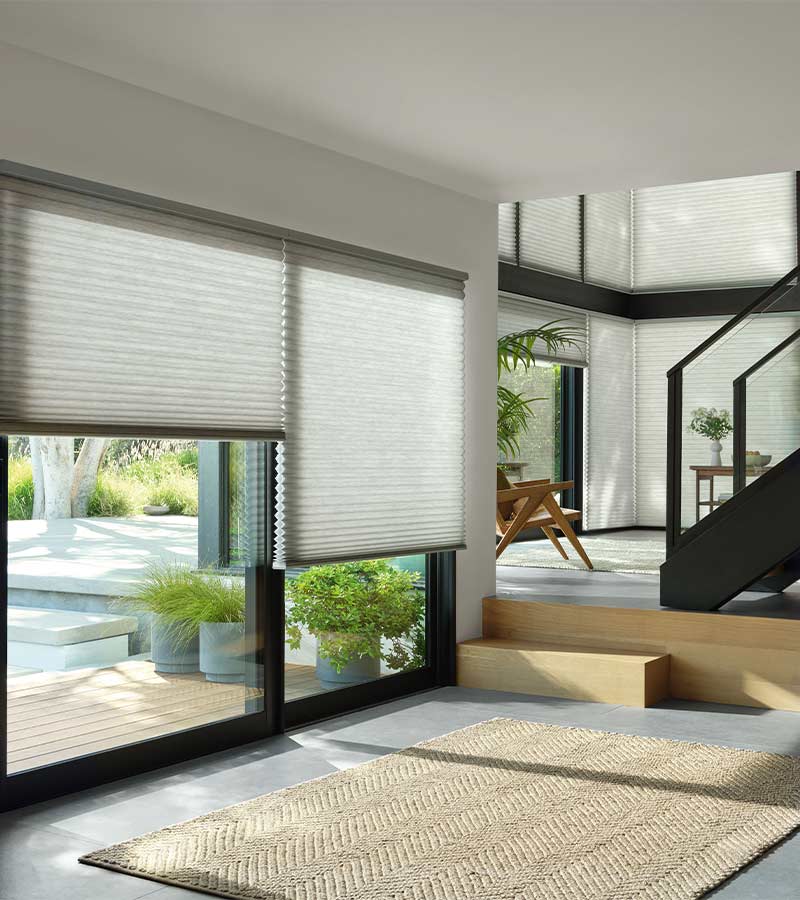
Standard blinds and curtains sit flat against your window. Cellular shades are different. Their honeycomb structure creates air pockets that act as insulation. Single-cell shades provide a modest barrier. Double-cell (or dual-cell) shades trap more air and deliver stronger insulation, making them the better choice for brutal Iowa winters.
If you live in an older neighborhood like Czech Village in Cedar Rapids, where beautiful historic homes often have single-pane or aging double-pane windows, that extra insulating layer can be significant. The air trapped in each cell slows conduction, which means less of your furnace's heat escapes through the glass.
Comparing Your Options
| Shade Type | Cell Structure | Best For | Relative Insulation |
|---|---|---|---|
| Single-Cell Cellular | One honeycomb layer | Moderate climates, budget-conscious | Good |
| Double-Cell Cellular | Two stacked honeycomb layers | Harsh winters, maximum efficiency | Better |
| Triple-Cell Cellular | Three layers (specialty) | Extreme cold, large windows | Best |
| Standard Blinds | None | Light control only | Minimal |
For most Eastern Iowa homes, double-cell shades hit the sweet spot of performance and value. Triple-cell options exist but are typically reserved for unusually large windows or homeowners prioritizing maximum efficiency above all else.
Checkpoint 2: Fit for Your Home's Architecture
Victorian and Historic Homes
If you own a Victorian-era home near the National Czech & Slovak Museum in Cedar Rapids or in the Hamburg Inn District of Iowa City, you likely have tall, narrow windows with ornate trim. Cellular shades can be custom-cut to fit these non-standard dimensions precisely. A professional measurement ensures no gaps at the edges where cold air could infiltrate.
Inside-mount installations look cleaner and maximize the insulating seal. Outside-mount works when window depth is limited. Your installer should evaluate both options and recommend what works best for your specific windows.
Mid-Century Ranch and Prairie-Influenced Styles
Ranch homes and newer Prairie-influenced construction often feature wider windows, sometimes picture windows or horizontal sliders. These larger glass surfaces lose more heat, so proper coverage matters even more. Cordless lift systems and motorized options keep the operation simple across wide spans, and they eliminate dangling cords that can be a concern in homes with children or pets.
In the Village of East Davenport, where you'll find a blend of styles, homes may have both standard and oversized windows. A whole-home approach lets you coordinate finishes while matching the right shade type to each window's thermal and operational needs.
Checkpoint 3: Light Control and Privacy Balance
Cellular shades come in three main opacity levels, and your choice affects both energy performance and daily comfort:
- Sheer: Filters light, minimal privacy, lower insulation.
- Light-filtering: Softens light, provides daytime privacy, good insulation.
- Room-darkening or blackout: Blocks light, full privacy, maximum insulation.
For bedrooms, room-darkening shades are popular. Living areas near landmarks like the Figge Art Museum in Davenport might benefit from light-filtering options that let you enjoy natural light while still reducing heat loss. Many Eastern Iowa homeowners mix opacity levels throughout the house, choosing the right balance for each room's function.
A well-fitted cellular shade does more than look good. It creates a seal that keeps your heated air inside where it belongs, not leaking through window gaps into the January cold.
Checkpoint 4: Durability and Long-Term Value
Fabric Quality
Cheap cellular shades sag, discolor and lose their shape within a few years. Quality fabrics resist UV damage, maintain their pleats and continue insulating season after season. When you're investing in window treatments to cut Alliant Energy bills, you want that investment to last.
Manufacturer-backed warranties protect against defects. Professional installation ensures the shades operate correctly from day one, reducing wear from improper use. Made in the Shade works with quality manufacturers and provides professional measurement and installation for Eastern Iowa homeowners who want lasting performance.
Operational Longevity
Cordless systems have fewer parts to fail. Motorized shades add convenience, especially for hard-to-reach windows, and eliminate cord wear entirely. If you have large or numerous windows, the upfront cost of motorization often pays off in durability and ease of use.
Checkpoint 5: Local Service You Can Count On
Big-box stores sell cellular shades, but they don't come to your home, measure your windows, or ensure the fit is right. In Eastern Iowa, where winter-window performance actually matters to your heating costs, that precision is worth having.
Made in the Shade, located at 6402 Whispering Pine Dr in Davenport, serves homeowners throughout Cedar Rapids, Iowa City, Davenport and surrounding communities. A free in-home consultation includes professional measurement, product recommendations matched to your home's architecture and your priorities, and clear pricing with no hidden fees.
When you're comparing cellular shades Eastern Iowa providers, ask these questions:
- Do they measure in person, or rely on homeowner-submitted dimensions?
- Do they install the shades, or leave you to figure it out?
- Are the products backed by manufacturer warranties?
- Can they handle both standard and custom window sizes?
The right answers mean fewer problems and better long-term results.
Your Next Step: Schedule Your Free Eastern Iowa Consultation
November is the moment Eastern Iowa homeowners feel that first high heating bill and start searching for solutions. If you're ready to stop losing heat through drafty windows, now is the time to act. Cellular shades are one of the most practical upgrades you can make, and getting the right product professionally installed ensures you see real savings.
Call Made in the Shade at (563) 726-8040 to schedule your free in-home consultation. You'll get expert guidance on which honeycomb blinds make sense for your Cedar Rapids, Iowa City or Davenport home, with professional measurement and installation included.
Your windows should work for you, not against you. Take the first step toward a warmer, more efficient home this winter.
Frequently Asked Questions
How do cellular shades compare to other window treatments for Eastern Iowa winters?
Cellular shades outperform standard blinds, drapes and roller shades for thermal insulation because of their honeycomb air pockets. While heavy curtains can reduce some drafts, they don't create the consistent insulating barrier that a properly fitted cellular shade provides. For Eastern Iowa's sub-zero cold snaps, double-cell or triple-cell shades offer the strongest protection against heat loss through your windows.
What should I expect during a professional in-home measurement?
A consultant will measure each window's width, height and depth, noting any irregularities in older homes. They'll discuss your priorities, whether that's maximum insulation, light control, motorization or a specific aesthetic. You'll receive product recommendations tailored to your home's architecture and a clear quote before any work begins. The entire process typically takes 30 to 60 minutes depending on the number of windows.
Can cellular shades help reduce summer cooling costs too?
Yes. The same honeycomb structure that traps warm air in winter also blocks solar heat gain in summer. Light-filtering and room-darkening options reflect sunlight before it heats your interior, reducing the load on your air conditioning. Eastern Iowa homeowners benefit year-round from quality cellular shades, making them a smart investment beyond just winter heating savings.